
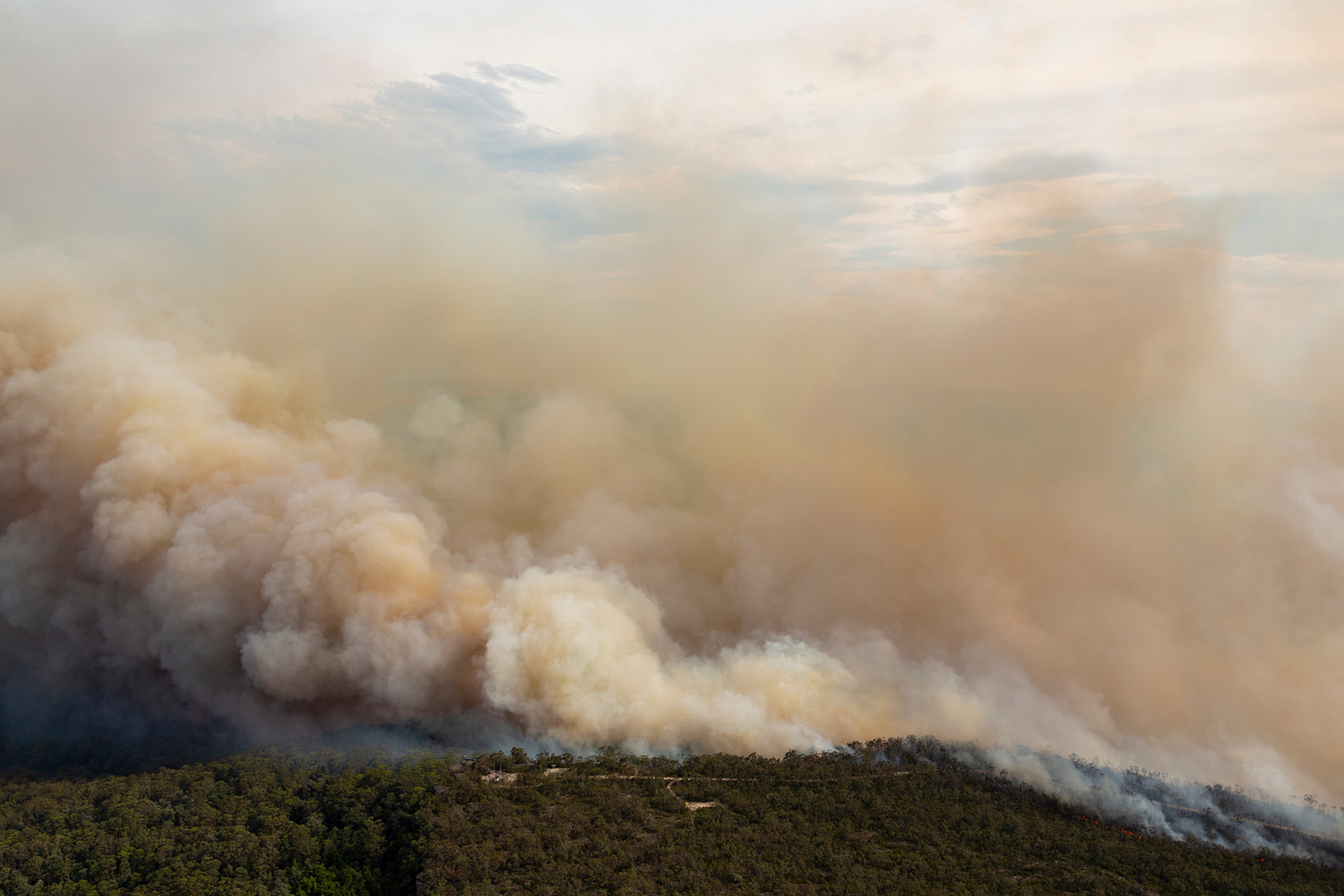
The aftermath of bushfires can leave communities devastated, grappling with immense loss and uncertainty. The Victorian Government, through Emergency Recovery Victoria (ERV), has implemented comprehensive initiatives designed to support individuals and communities in their recovery efforts.
This focus is particularly evident in the rules and resources provided for rebuilding and recovery after the bushfires that began on January 7, 2026, as well as those from previous years, such as the 2019–20 Eastern Victorian bushfires.
Immediate Assistance and Relief
Immediately following a bushfire, it’s crucial for those affected to access relief services. ERV collaborates with local councils and government agencies to coordinate relief, ensuring that community members can connect with essential services. Relief programs are available to help meet immediate needs, including access to food and temporary accommodation. For more information, individuals can visit the VicEmergency website or call 1800 226 226.
Rebuilding and Planning Permit Exemptions
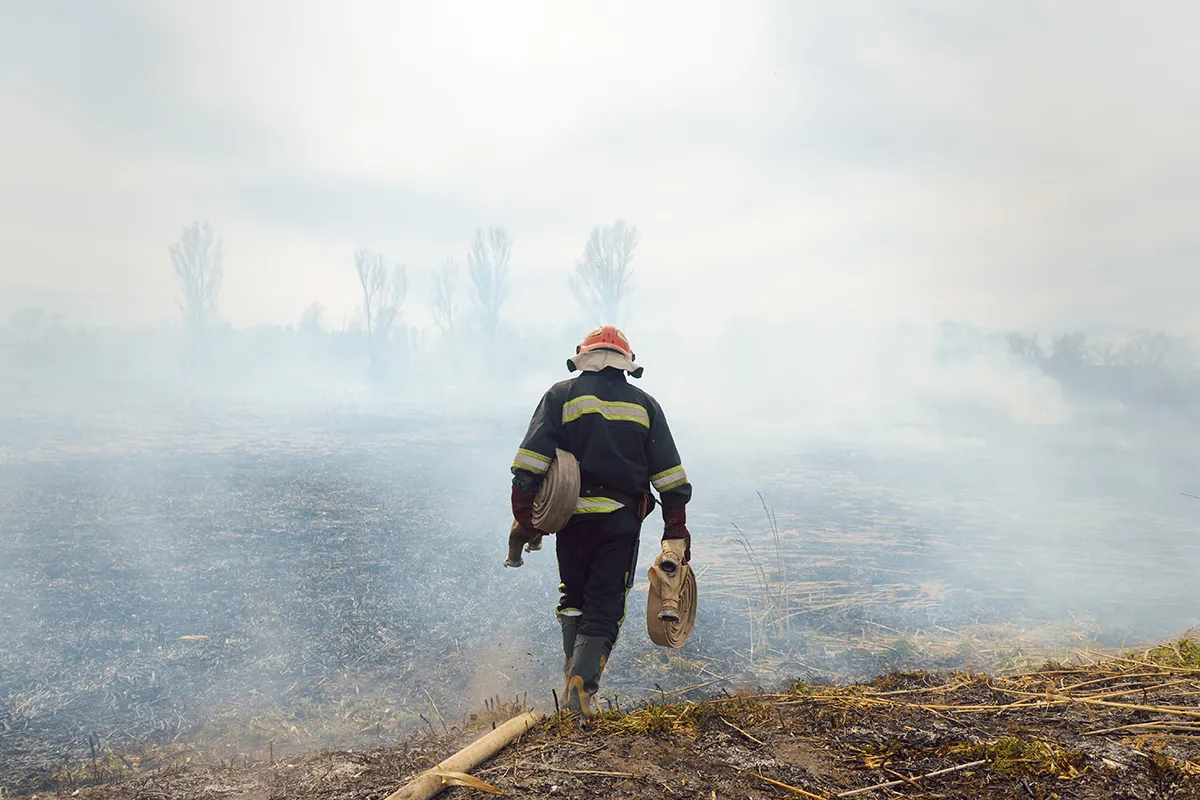
Rebuilding after a bushfire presents numerous challenges, but the government has introduced measures to streamline this process. The newly established Clause 52.07 in the planning scheme allows homeowners and business owners to set up temporary dwellings and premises without a planning permit. This provision is critical for those who need quick solutions as they transition from crisis to recovery.
Moreover, Clause 52.10 helps simplify the rebuilding process by exempting certain aspects of the planning permit process for permanent reconstruction of buildings. This includes removing the need for public notification of applications and allowing the council’s CEO to decide on them, ensuring that recovery moves swiftly.
Resources for Homeowners and Businesses
To aid recovery, Department of Transport and Planning (DTP) provides a wealth of resources, https://www.planning.vic.gov.au/guides-and-resources/guides/all-guides/rebuilding-and-recovery including:
FAQs and Fact Sheets: Detailed guides on planning permit exemptions for emergency recovery and information specifically tailored for homeowners and businesses.
Recovery Programs: Support systems aimed at restoring services and improving the quality of life for those impacted by bushfires.
Building Considerations: Information on safety measures and construction requirements specific to areas affected by bushfires, available through the Building and Plumbing Commission.
Personal Stories and Community Resilience
Beyond the practical aspects of recovery, ERV highlights the stories of resilience and determination among those affected by bushfires. The Mallacoota Gun Club, for example, exemplified community-driven efforts by engaging in tree-planting initiatives to restore nature and support the environment following the 2019–20 Eastern Victorian bushfires. Such stories underscore the strength of community partnerships in driving recovery efforts.
Mental Health and Ongoing Support
Recovery from bushfires is not only a physical journey but also an emotional one. Many individuals may experience a range of mental health challenges as they navigate the aftermath. ERV emphasizes the importance of seeking help, with resources available for counselling and support. Individuals are encouraged to contact Lifeline at 13 11 14 or Beyond Blue at 1300 224 636 if they require assistance.
Conclusion
The road to recovery and rebuilding after a bushfire can be daunting, but with targeted government support and community resilience, individuals and families in Victoria are finding their way forward. For ongoing updates and detailed support services, including information specific to the January 2026 bushfires, visit the Emergency Recovery Victoria page. Together, with the right resources and support, communities can rebuild and emerge stronger than ever.