
Towong Shire Structure Planning
Project snapshot
Service
Design
Planning
Culture
Client
Towong Shire Council
Location
Towong, VIC
Council
Towong Shire Council
Consultants
Kinscope
Tomkinson
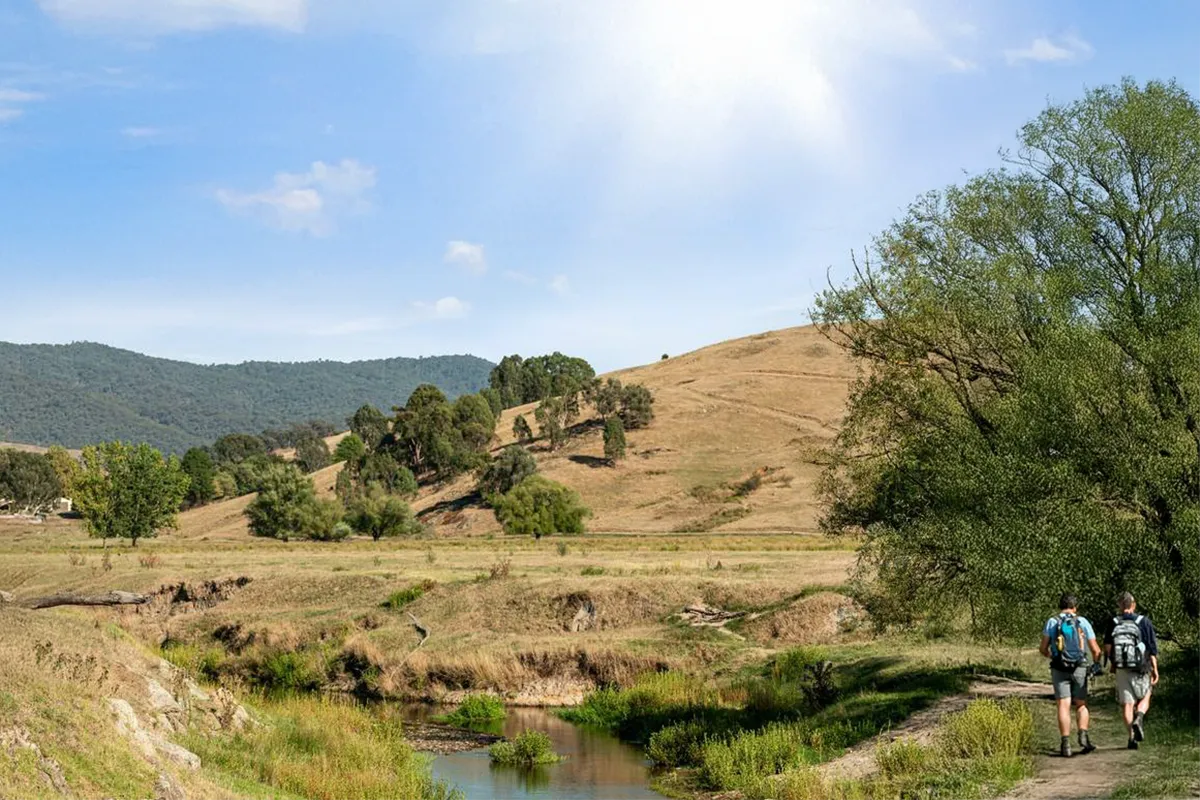
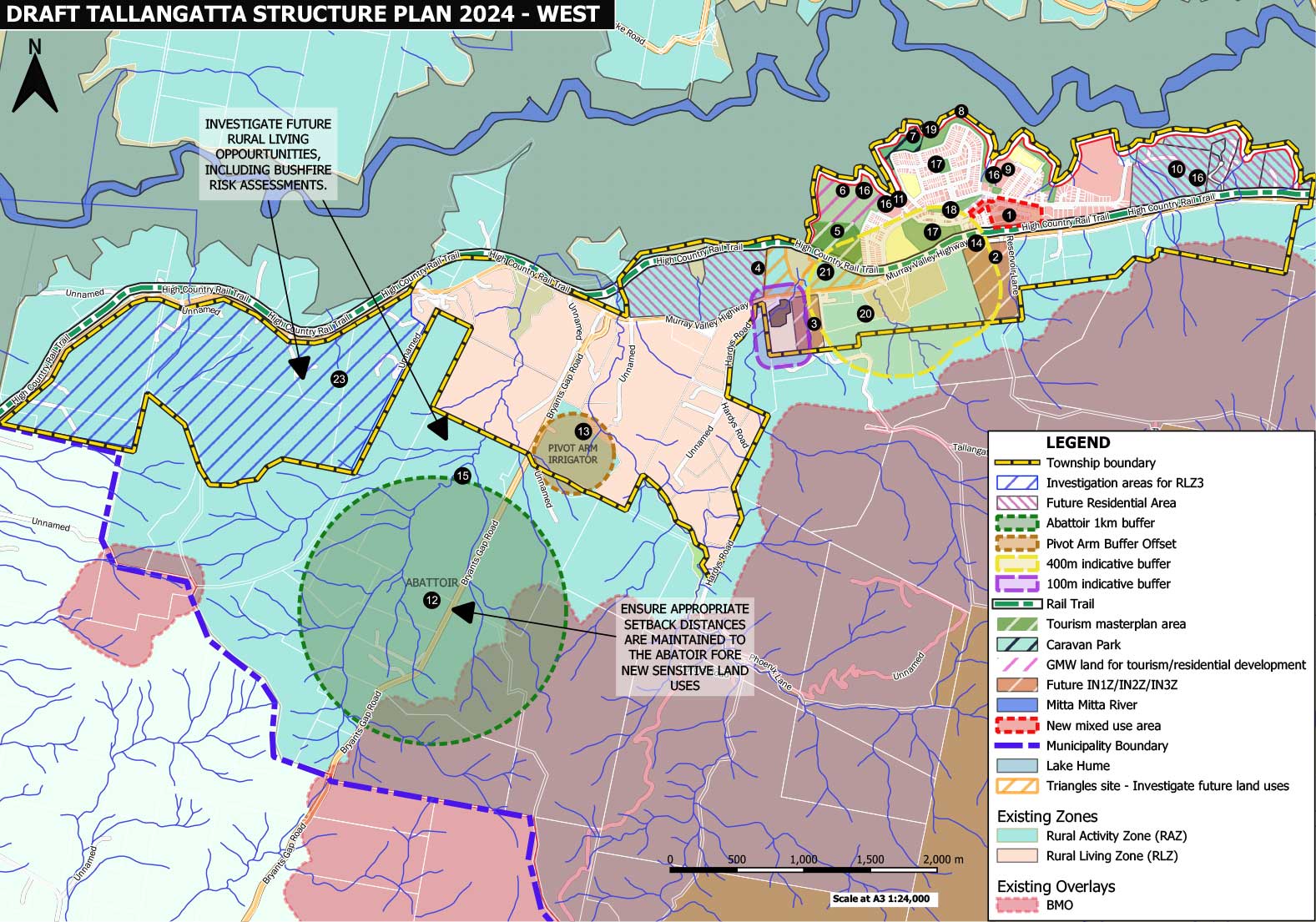
The project—spanning Bellbridge, Corryong and Tallangatta—set out to understand how local stories, cultural values, Country, and lived experience could shape long‑term planning decisions. In doing so, it represents a significant shift in Victorian planning practice: moving cultural heritage from a reactive, site‑based constraint to a proactive, place‑making asset.
At the heart of the work was the Managing Cultural Landscapes Study, a high‑level but foundational investigation designed to identify pre‑ and post‑colonial cultural values across the three towns. Without a Registered Aboriginal Party in Towong Shire, the study sought to compile dispersed knowledge, highlight gaps, and establish a framework for deeper engagement as Traditional Owner groups are formally identified. This work acknowledges that cultural landscapes are more than artefacts or mapped heritage overlays—they include meaningful travel routes, food and fibre resources, lookouts, peaks, water systems, and the intangible connections that shape how Country is used, understood and cared for.
By mapping and analysing key views, vistas, sensitive landscapes and culturally significant areas, the study created a clearer picture of how cultural values intersect with areas of future change. This helped ensure that structure plan options for growth, housing, tourism, and infrastructure were grounded in an understanding of Country and cultural significance, not imposed upon it.
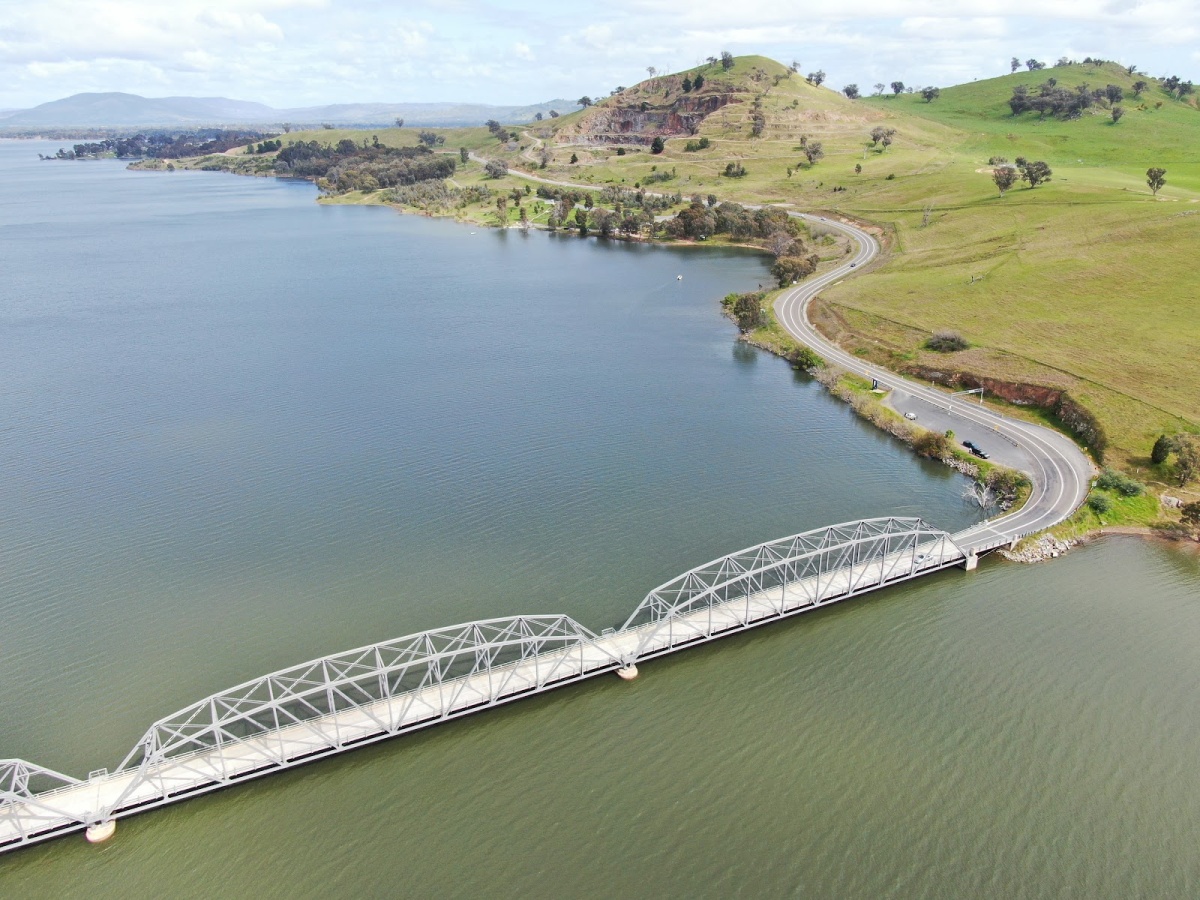
Across the three towns, consistent themes emerged. Foreshore areas along Lake Hume contain known cultural heritage sensitivity, including former scar tree sites. High‑value scenic landscapes—those that hold contemporary meaning for both Aboriginal and settler communities—were identified as assets to be celebrated and protected. Steep ridgelines, waterway corridors, and long‑range viewlines were recognised not only for their visual quality but for their cultural and ecological importance.
These cultural insights informed the broader structure‑planning process, which addressed settlement boundaries, housing diversity, infrastructure constraints, economic futures, and township character. In each location, cultural landscapes became a lens through which growth could be balanced with identity—ensuring future development reinforces, rather than diminishes, what makes each town distinctive.
Community consultation reinforced this approach. Residents spoke of the need to retain village character, celebrate local heritage, respect landscapes and views, and improve access to natural and cultural places. These conversations aligned strongly with the cultural landscapes work, demonstrating that cultural values and community values are deeply intertwined.
The Outcome
The resulting emerging options for each township now reflect a more holistic view of place. Growth areas are identified with consideration for cultural sensitivity; landscape protection measures are recommended; and design responses encourage stronger connection to Country through streetscapes, open spaces, trail networks and township gateways. Importantly, the work positions Towong Shire to undertake deeper cultural engagement over time—building relationships with Traditional Owners, improving cultural data, and embedding culture into statutory planning processes.
The project represents the future of cultural planning in regional Australia: planning that begins with Country, listens to community, acknowledges gaps, respects knowledge holders, and shapes growth around the landscapes that define place. It sets a benchmark for local government seeking to integrate culture meaningfully into long‑term strategic planning—ensuring that change honours the past, reflects the present, and supports a culturally enriched future.