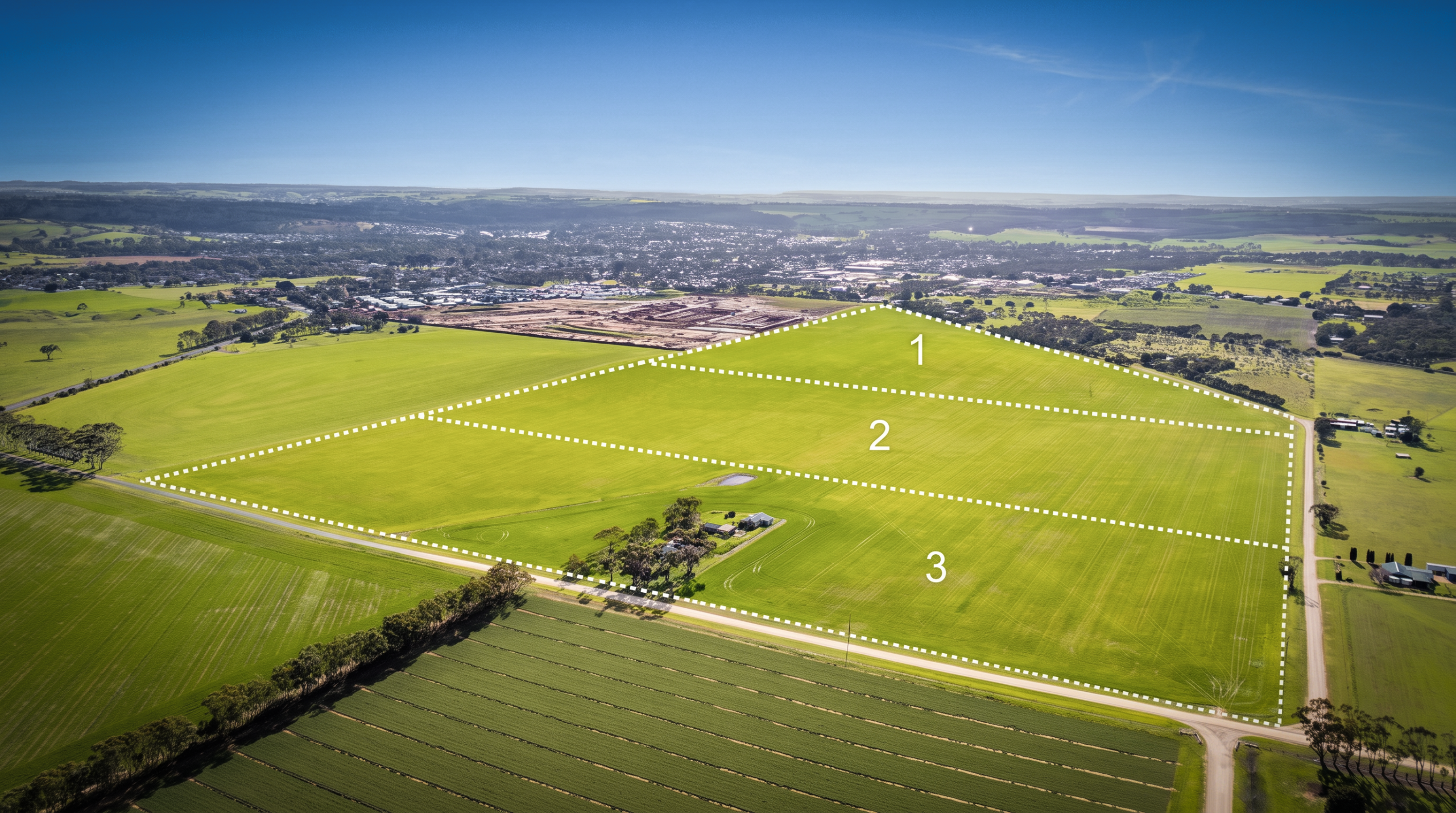
Significant changes to Victoria’s rural planning framework came into effect this week, introducing new restrictions on rural subdivision, dwellings and the fragmentation of farming land. For some landowners, developers and project teams, these changes may affect projects that are already underway.
The changes were introduced through Amendment VC322, published under Sonya Kilkenny, Victoria’s Planning Minister, less than 48 hours before the State Government entered caretaker mode. The amendment took effect immediately across Victoria, with no transition period for many projects currently progressing through the planning system.
In her Statement of Reasons, Minister Kilkenny stated that the amendment would strengthen planning protections for agricultural and green wedge land, reduce land fragmentation, and support ongoing agricultural production across the state.
Victorian Government Amendment VC322
Visit the Victorian Department of Transport page for details and documents
Why Has This Attracted Attention?
In the amendment documentation, the Planning Minister stated that the changes are intended to strengthen protections for agricultural and green wedge land, reduce land fragmentation, and support ongoing agricultural production across Victoria. The amendment also introduces new regional planning policies and provides stronger direction around how planning authorities assess development in rural areas.
What has generated discussion within the planning industry is the practical impact these changes may have on projects already being considered under the planning system. The amendment introduces a more restrictive policy framework in several key areas, particularly where proposals involve rural subdivision, lot excisions, subdivision to achieve renewable energy projects, dwellings in Farming Zones or the fragmentation of agricultural land.
For landowners, developers and project teams, the key question is not whether the intent of the changes is positive or negative, but whether the new provisions alter the approval pathway, assessment criteria or likelihood of approval for their particular project. Understanding that impact early may help avoid delays, redesign work or unexpected planning challenges later in the process.
In addition, the new policy setting will impact planning advice for future projects, and may indeed render many of them unachievable.
What Has Changed?
At the centre of Amendment VC322 is a stronger policy position around protecting agricultural land and preventing further fragmentation of farming areas. The amendment strengthens planning policies relating to Farming Zone, Rural Conservation Zone ,Green Wedge Zone and all productive agricultural land, while introducing new regional policies for areas including Moorabool, the Murray River corridor and declared irrigation districts.
Perhaps the most significant practical change is the language now being applied by planning authorities.
Historically, planning policy often encouraged decision makers to “discourage” or “avoid” further fragmentation of rural land. Under the amended provisions, councils and the Victorian Civil and Administrative Tribunal are increasingly directed to “prevent” these outcomes. While this may appear to be a subtle wording change, it can significantly reduce the discretion available when assessing permit applications.
The amendment also introduces a formal definition of productive agricultural land and places greater emphasis on protecting land capable of supporting agricultural production for local, regional and state needs.

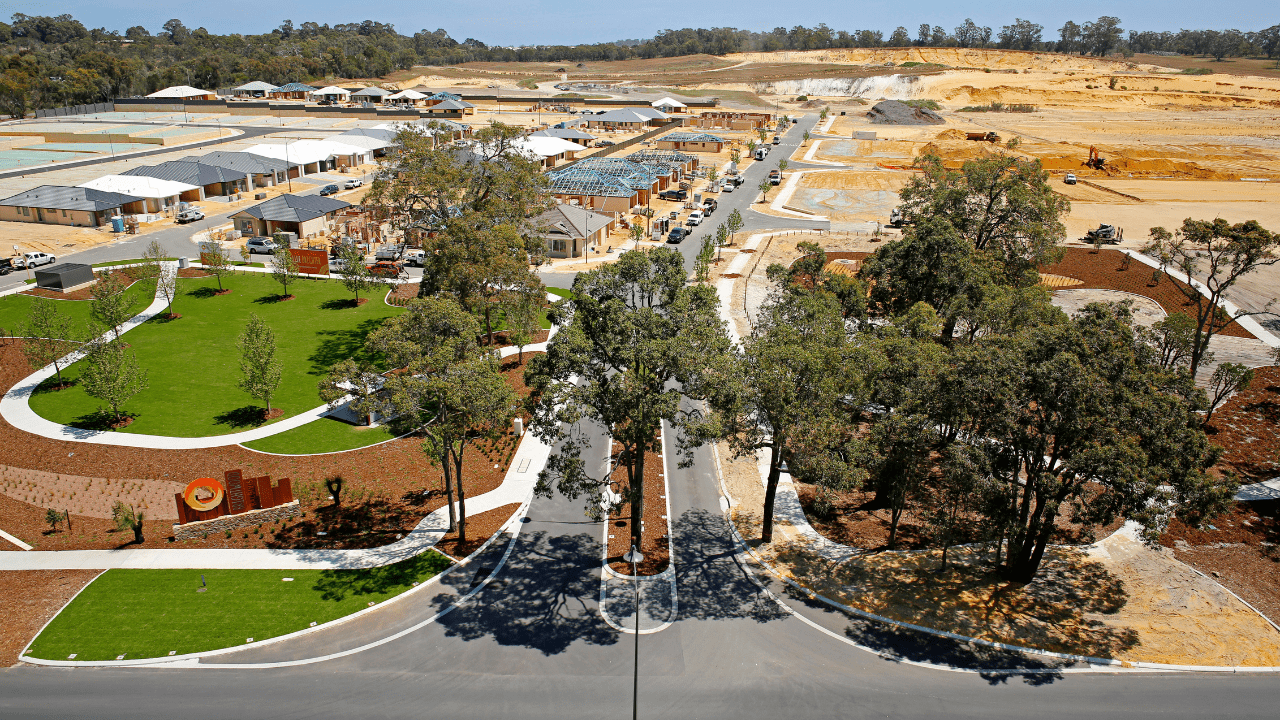
Who Could Be Affected?
While every project should be considered on its individual merits, the changes may be relevant to:
- Rural subdivisions
- Lot excisions from farming properties
- Subdivision of non-agricultural land use purposes
- Resubdivision if lots do no meet minimum lot size requirements
- Boundary realignments
- New dwellings in Farming Zones
- Second dwellings
- Development near existing agricultural activities
The amendment also introduces additional consideration of land use conflicts, with councils required to consult agencies such as Agriculture Victoria and the EPA when assessing separation distances between farming operations and certain forms of development.
What Does This Mean for Existing Projects?
One of the key concerns arising from the amendment is the absence of transitional arrangements for some projects already being assessed.
Industry discussions following the amendment’s introduction have highlighted instances where councils have requested applicants review or reconsider proposals in light of the new planning provisions. In practical terms, projects involving rural subdivision, dwellings or land fragmentation may now require additional justification or face assessment under a more restrictive planning framework.
Not every rural project will be affected. However, for landowners, developers and project teams currently progressing a planning application, now is an appropriate time to review the potential implications.
Our planning teams have already received notice that some applications must be withdrawn, and we have had to update any advice on rural subdivision and land use options.
Looking Ahead
The long-term objective of Amendment VC322 is to protect valuable agricultural land and support the future of Victoria’s farming sector. How the new policies are interpreted and applied by individual councils will become clearer over the coming months.
For now, anyone with a rural planning project currently underway should seek advice early and confirm whether the new provisions apply to their circumstances. Understanding the implications now may help avoid delays, unexpected information requests or changes to project outcomes later in the approval process.